


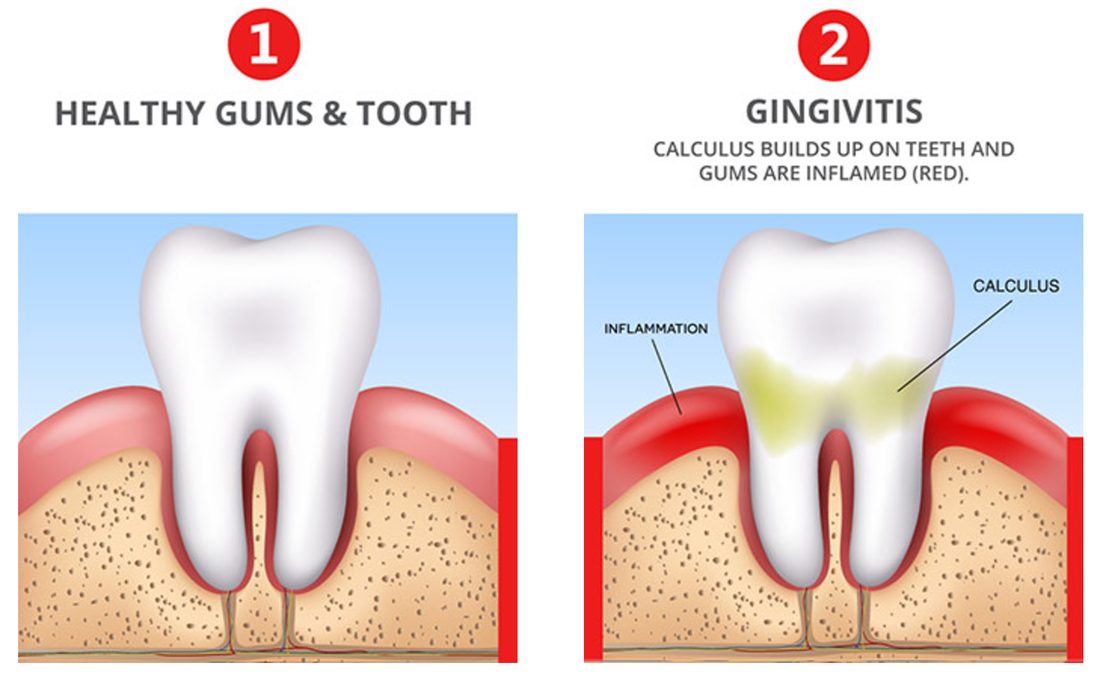
At Sujay’s Dental Care, our team of specialized dentists, including our experienced periodontists, is here to provide you with personalized treatment options tailored to your needs.
1. Professional Dental Cleaning (Scaling and Root Planning):
For early-stage gum disease (gingivitis), professional dental cleaning is usually sufficient. This involves the removal of plaque and tartar (hardened plaque) from the teeth and below the gumline.
In more advanced cases (periodontitis), a deep cleaning procedure called scaling and root planning may be necessary. This treatment involves cleaning the tooth roots and smoothing the root surfaces to prevent bacterial buildup.
2.Medications:
Antibiotics: Our dentists, may prescribe antibiotics, either as a pill or in the form of a mouthwash or gel, to control bacterial infections associated with gum disease.
Antiseptic or antimicrobial mouthwash: Over-the-counter or prescription mouthwashes can help reduce bacteria and inflammation in the mouth.
3. Surgical Procedures:
Flap Surgery (Pocket Reduction Surgery): In cases of advanced periodontitis, our team of dentists or periodontists may recommend flap surgery to remove tartar deposits in deep pockets and to reposition the gum tissue to better fit around the teeth.
Bone and Tissue Grafts: These procedures are used to regenerate bone and tissue that has been lost due to gum disease. They help stabilize teeth and improve their support.
4. Laser Therapy
Some dentists use laser technology to remove inflamed gum tissue and destroy bacteria in the pockets of advanced gum disease.
Laser therapy can be less invasive and result in shorter recovery times.
5. Ongoing Maintenance and Home Care
Regular follow-up appointments with your dentist or periodontist are essential to monitor your gum health and ensure that the disease does not progress.
Maintain a strict oral hygiene routine at home, including brushing, flossing, and using any prescribed oral hygiene aids or medications. Attend dental cleanings and checkups as recommended by your dental professional.
6. Lifestyle Changes
Smoking and tobacco use are major risk factors for gum disease.
Quitting is critical for successful treatment.
 Maintain a balanced diet and avoid sugary and acidic foods that can contribute to gum problems.
Manage stress, as it can affect your immune system and gum health.
Furthermore, we place a strong emphasis on patient education.
Our dentist customizes detailed instructions on enhancing oral hygiene to meet each patient’s unique needs. We introduce patients to a variety of oral hygiene aids and provide guidance on their proper usage. Patient education is a vital component of our treatment approach, where we educate and demonstrate effective brushing techniques and proper flossing methods.
 Reach us on WhatsApp